G7 vs GRACoL: What Print Buyers Actually Need to Know
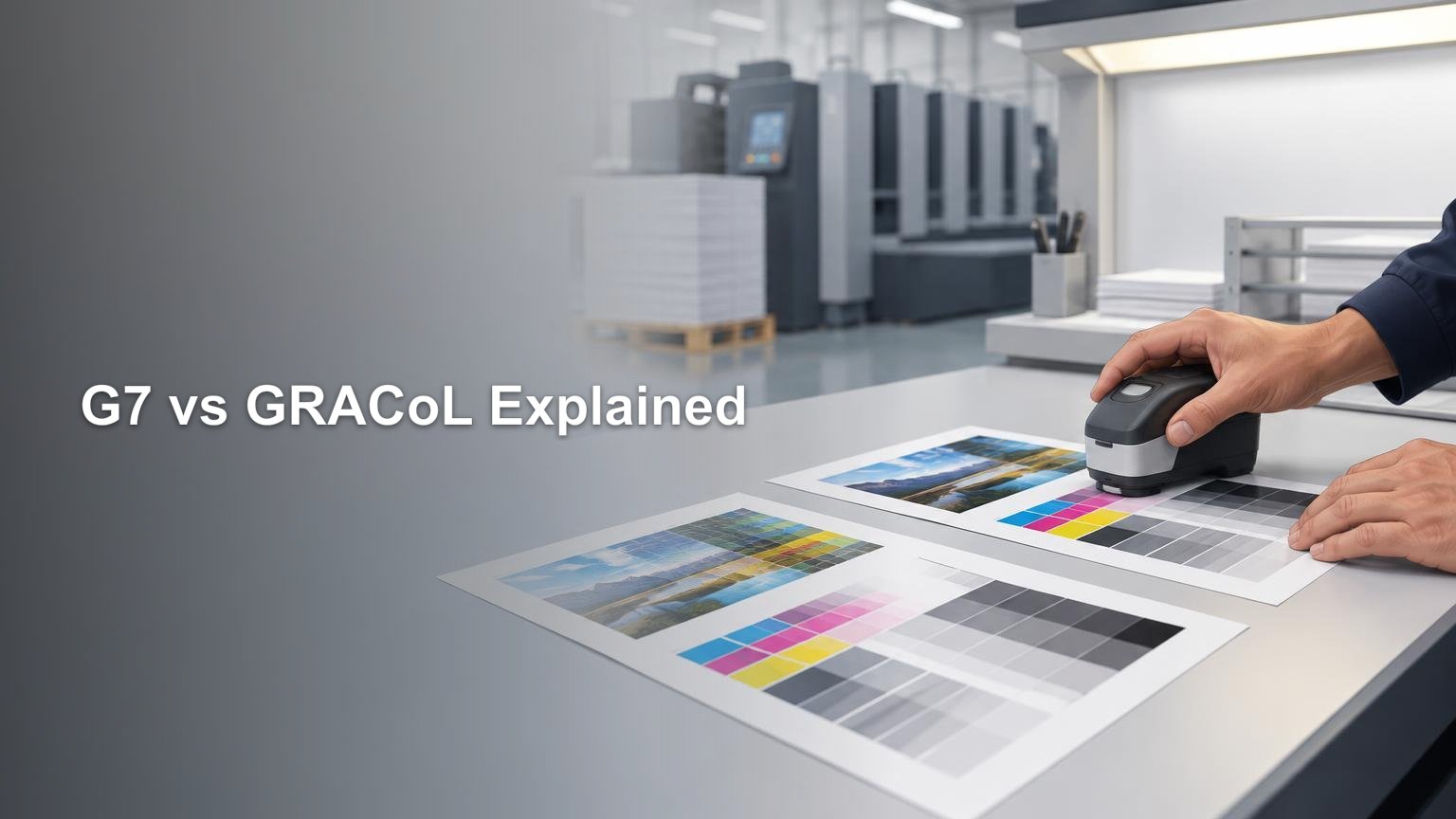
G7 and G7+ concern calibration for neutral appearance and tonality, while GRACoL defines commercial-print reference conditions. Here is how to specify the actual job.

 Kit Yarrow
G7 and G7+ concern calibration for neutral appearance and tonality, while GRACoL defines commercial-print reference conditions. Here is how to specify the actual job.

Choose between CMYK, a true Pantone spot ink, and digital color simulation based on the job’s gamut, substrate, color risk, quantity, effects, and proofing needs.
Print estimating software can calculate quickly and consistently, but it cannot repair weak production standards. Here is how to build rates, waste allowances, routings and feedback into estimates that reflect the work your shop actually performs.
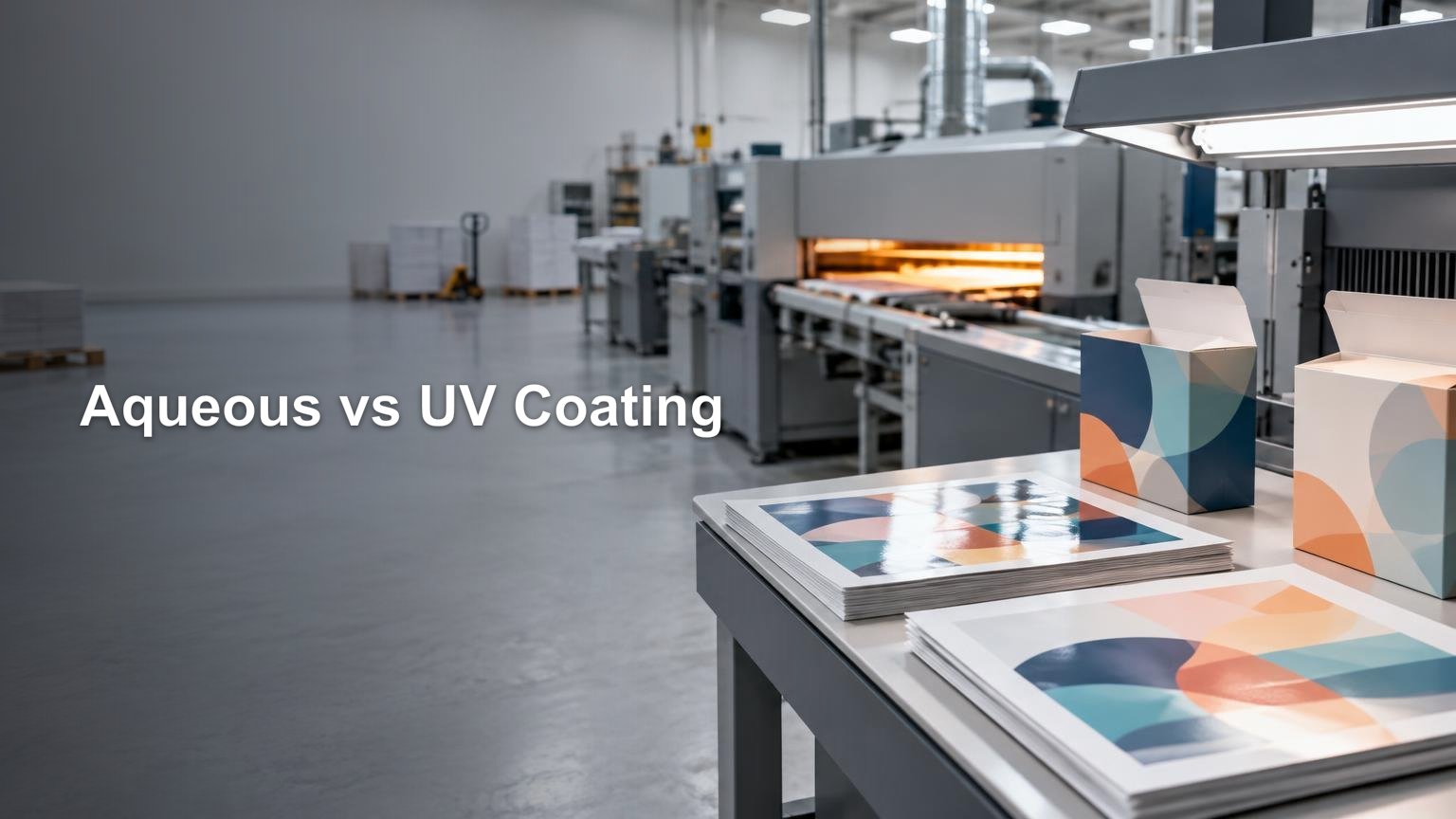
Choose aqueous or UV coating by evaluating the complete print construction—not gloss alone. Compare curing, protection, folds, marking, finishing, packaging requirements, and total production cost.

A practical receiving and acceptance checklist for inspecting commercial print against the approved proof, job specification and agreed tolerances.

Commercial print can scuff even when it feels dry. Diagnose the visible mark, print-film adhesion, substrate, finishing path, and packing before prescribing a coating.
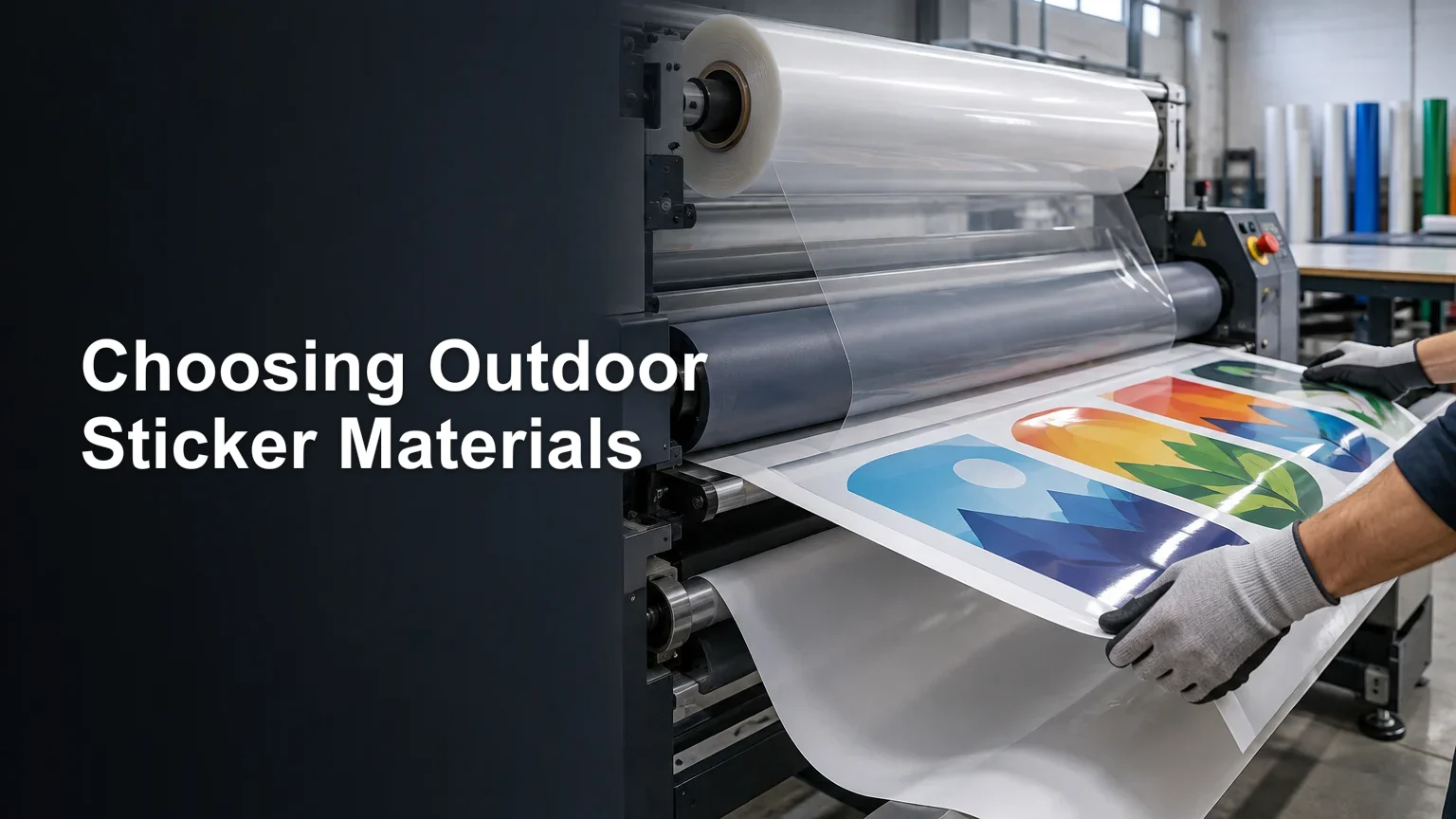
Choose an outdoor sticker by specifying the complete construction: face film, adhesive, print system, laminate, surface, exposure, and required service life.

A practical operations guide to controlling location-specific retail campaign materials from store profiling and BOM creation through kitting, delivery, and replacements.

White ink makes clear, metallic, colored and dark substrates printable in ways ordinary CMYK cannot, but it adds layers, registration risk, testing and cost. Here is how to specify the construction and proof the actual result.

Fold cracking is rarely caused by one variable. Learn how grain direction, stock thickness, coatings, printed layers, scoring, and folding conditions interact—and what to specify before production.