
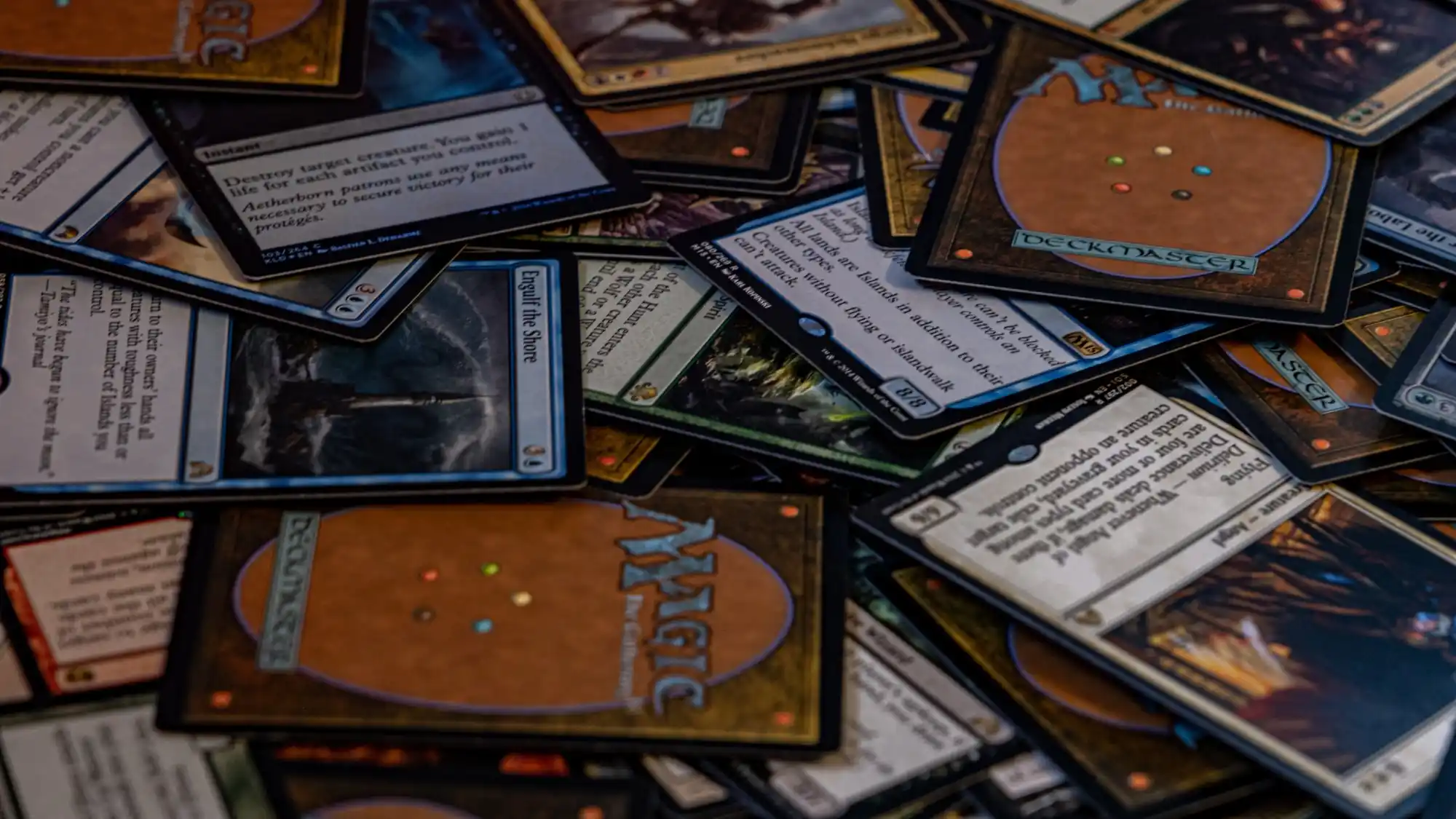
This PrintMTG review comes down to one thing: if you want proxies that feel close to real cards, and you want them fast (in the U.S.), PrintMTG is a solid pick.
If you want the absolute lowest cost per card for huge runs, MPC-style bulk is usually cheaper, but it takes more setup.
What PrintMTG is (and what it is not)
Print MTG is a print-on-demand proxy card service for Magic (and some Pokémon) where you paste a decklist, pick versions, and order a full deck or cube batch without messing with sheet layouts.
It is not a sanctioned-tournament solution. If you are playing in official events, Wizards’ policy is clear: authentic cards are required, with narrow judge-issued exceptions for damaged cards during an event.
Who PrintMTG is for
PrintMTG makes the most sense for:
- Commander players who want realistic-feeling proxies for casual tables
- Cube owners who want one consistent print feel across a whole pool
- People testing expensive staples before buying (or keeping originals safe at home)
- Players who want “good enough to shuffle like the real thing” without learning an MPC workflow
If you are outside the U.S., the shipping situation is the first thing to check (more on that below).
Quality: cardstock, print, and the little stuff you notice
PrintMTG’s core quality claim is the material: S33 German black core cardstock, positioned as a close match to the feel and opacity people expect from real trading cards. They also state their card backs match Magic.
One practical note (and i appreciate when a shop just says this up front): PrintMTG currently posts that their alpha die cutter is being repaired, so cards are cut with standard 1/8″ radius corners for now, including “LEA versions.” That is minor for most people, but if you are picky about corner radius as part of the “realism” vibe, it is worth knowing before you order.
Community feedback on PrintMTG is generally “legit, good quality,” with a recurring point that they do not use real holo stamps (they print the effect instead). That is usually fine for casual play, but it matters if your whole goal is photoreal “pass a glance test” bling.
Price and value: clear tiers, plus the real-world math
This PrintMTG review is easy to summarize on pricing because they publish straight per-card tiers:
- Small orders cost more per card
- Once you hit larger batches, the price drops fast
They also advertise free shipping over a threshold, and they periodically run coupon codes (they were showing a holiday code at the time of writing).
One thing to watch: PrintMTG also has “custom proxy” product pages that talk about pricing as low as $0.30 per card. That does not match the main proxy-pricing tiers shown on their primary order flow, so treat it as a separate product line (or a promo claim that may apply only in specific cases).
Ordering experience and tools: built for decklists, not designers
PrintMTG’s ordering flow is basically made for how people actually proxy:
- Paste a decklist
- Search cards or browse sets
- Choose art/version per card
- Pick quantities
- Checkout
They also push a few “creator” options: a card maker tool, plus an upload-your-own option if you already have front/back files.
This is the big difference versus MPC-style proxy ordering. MPC can be cheaper at scale, but you are doing more file wrangling. PrintMTG is “i just want my deck printed.”
Turnaround time and shipping
PrintMTG states a goal of printing and shipping within about 2 business days, with many orders printed same or next day. Their FAQ and product pages also commonly reference orders shipping within a few business days.
Shipping options (and cost) are spelled out, including standard and expedited UPS options. The big limitation: their shipping policy page states they currently sell in the United States only.
So if you are international, PrintMTG may simply not be an option right now. That is not a moral failing. It is just logistics.
Customer service and policies: good contact info, slightly messy policy pages
PrintMTG lists phone and email contact details and support hours, which is already better than the “mystery proxy shop” vibe you sometimes get in this niche.
Policy-wise, there is one annoying thing: their FAQ language reads like a no-returns stance except for wrong orders or print issues (with photos), while a separate returns policy page describes a more standard “returns within 14 days if unused” approach. If you ever need a refund, that mismatch could create friction.
My advice: assume proxies are effectively “made to order,” and treat replacements/credits for print defects as the realistic outcome.
Use cases and “best for” scenarios
PrintMTG is best for:
- Realistic-feeling proxies for casual Commander
- Small to medium batches where speed matters
- U.S. buyers who want simple ordering and predictable shipping
- People who care about cardstock feel (black core, opaque, shuffles right)
PrintMTG is not best for:
- International buyers (based on their current shipping policy)
- The absolute cheapest possible bulk runs
- People who specifically want true holo stamp style finishing
Quick comparison chart (because, yeah, it helps)
| Service | Best for | Quality focus | Speed focus | Notes |
|---|---|---|---|---|
| PrintMTG | Realistic casual proxies in the U.S. | High | High | S33 black core claim, decklist tools, U.S.-only shipping policy |
| PrintingProxies | Fast turnaround, broader shipping | High | Very high | S33 black core claim, next-day production messaging, ships internationally |
| MPC-style bulk | Cheapest big batches | Medium to high | Low to medium | More setup work, but strong value at scale |
| Proxy Foundry | Print-on-demand across multiple TCGs | Quality-forward | Varies | Built around lists/files, multi-game focus |
Pros and cons
PrintMTG pros
- Clear decklist-first ordering
- Strong “feel like real cards” positioning with S33 black core
- Good bulk price drops as quantities rise
- U.S. shipping options including expedited
PrintMTG cons
- U.S.-only shipping (per their shipping policy page)
- Corner radius currently standardized due to cutter repair notice
- Some policy-page contradictions (returns language)
- If you want “maximum realism,” printed holo effects are not the same as actual stamping
Final verdict
If you want a simple, decklist-driven way to get proxies that feel close to real cards, this PrintMTG review lands in a pretty friendly place. The value is strongest when you care about cardstock feel and speed more than you care about squeezing every last cent out of per-card cost.
If you are outside the U.S., or you are doing massive bulk where you are willing to trade time for savings, you may end up elsewhere. But for U.S. casual players who just want their deck printed and playable fast, PrintMTG does what it says on the tin.